




Speedy Oven Cleaning in Manchester
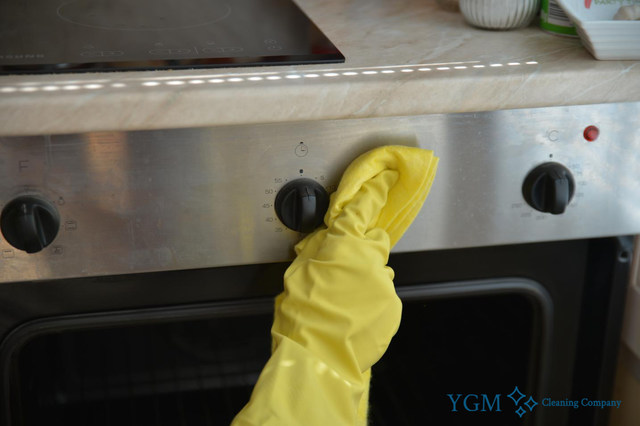 Why risking your culinary skills with a dirty and extra greasy oven? And why putting your whole family in danger of bacteria and toxins by cooking in an oven full of burnt fats and food residue? Once and for all stop reconciling with your grimy oven justifying yourself it is harsh to clean it and it is too old to invest time and efforts in it. Actually oven cleaning in Manchester is a small investment you can make to make your oven as you new again. And here`s the best news for you – you don`t even have to make a single move or an effort. Just rely on the skillful and well-trained office cleaners and receive all of these:
- Vetted and insured cleaners
- Free advice on oven maintenance
- Friendly and English-speaking technicians
- Special rates, regular discounts, and no fees in advance
Make a call on 0161 823 0323 to order oven cleaning! We promise you to arrange you a visitation by our well-trained, experienced and diligent oven cleaners as soon as possible. Please, know that there is an option for you not to stay at home, while they are doing their job. Enjoy some free time out, while the expert office cleaners disinfect and freshen up your oven!
Rely on Us for Decent Oven Cleaning in Manchester
YGM Cleaning Company Ltd. specialises in deep and thorough housekeeping and kitchen cleaning. Apart from the modern oven cleaning, you can also take benefits of BBQ cleaning and comprehensive one off cleaning services, where grease and food stains are removed professionally and with eco-friendly products only.
Try The Modern and Fast Office Cleaning in Manchester Right Away
The reason our office cleaning services get so positive customer`s feedback is not a secret or some specialty our office cleaners apply. We just approach each client`s individual case with personal attitude and attention and we always start oven cleaning procedure with a preliminary examine. The check in advance provides the oven cleaners an opportunity to evaluate the level of grease and dirtiness to know what the best oven cleaning detergents and methods should be used in this case. Also, they always check the working capacity of the device and disassemble it. This is how we discharge you from any duty or responsibility when it comes to oven cleaning in both – your home and your restaurant. Here is where we need to tell you that YGM Cleaning Company Ltd. offers both – home and commercial oven cleaning. In all cases, we apply the most modern de-greasing and de-scaling techniques. And even though the procedure is fast and speedy, we do clean the oven from the inside and from the outside.
Book Oven Cleaning Right Away
Make a call on 0161 823 0323, get a free quote and book your cleaning fast and simple! Check out for the cost-effective prices of our reliable oven cleaning in Manchester! Do not hesitate to ask for more additional information about oven cleaning services or directly make a reservation via our easy-to-use online booking form!